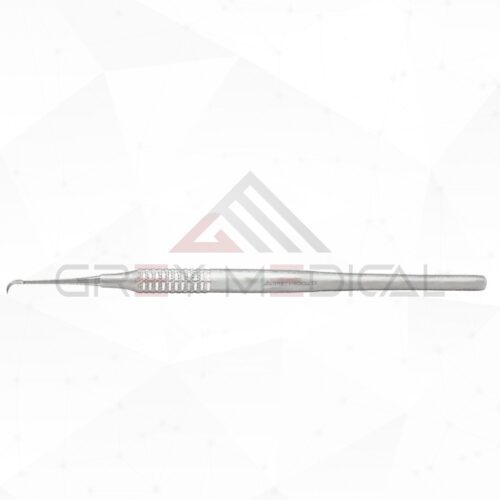
Dental professionals rely on specialized instruments to perform examinations, cleanings, restorative procedures, and other clinical treatments with accuracy and efficiency. Choosing the right dental tools and equipment is important for maintaining a well-organized dental practice and supporting consistent patient care. From basic examination instruments to specialized surgical devices, each dental tool is designed to perform a specific function during dental procedures.
What Are Dental Tools and Equipment?
Dental tools and equipment include a wide range of instruments and devices used by dentists, dental hygienists, and other oral healthcare professionals. Common instruments include dental mirrors, explorers, probes, scalers, forceps, elevators, excavators, and scissors. More advanced equipment may include dental handpieces, impression trays, curing lights, and other devices used for diagnosis and treatment. The selection of instruments generally depends on the type of procedure and the clinical requirements of the dental practice.
Common Types of Dental Instruments
Different dental procedures require different instruments. Examination instruments, such as dental mirrors and probes, help professionals inspect teeth and surrounding oral structures. Scalers and curettes are commonly used during professional dental cleaning to remove deposits from tooth surfaces. Dental forceps and elevators are designed for procedures that require controlled handling or removal of teeth.
Restorative procedures may require instruments such as excavators, condensers, burnishers, and specialized hand instruments. Using appropriate dental tools and equipment can help dental professionals perform procedures in a controlled and efficient manner while maintaining proper instrument handling practices.
Features to Consider When Choosing Dental Instruments
Quality, durability, precision, and ergonomics are important considerations when selecting dental instruments. Stainless steel is widely used for many dental instruments because it offers strength, corrosion resistance, and compatibility with standard sterilization procedures. Instrument design also matters, as balanced handles and precise working ends can support comfortable handling during lengthy procedures.
Dental practices should also consider the intended application, instrument compatibility, maintenance requirements, and sterilization needs before selecting dental tools and equipment. Proper storage and routine inspection can further help maintain the condition and functionality of reusable instruments.
Why Quality Dental Instruments Matter
Reliable instruments can contribute to an organized and efficient clinical environment. Well-designed instruments provide dentists with appropriate control during procedures and can support accurate examination, cleaning, restoration, and surgical tasks. Maintaining a suitable selection of dental tools and equipment also helps practices prepare for different procedures without relying on unsuitable or poorly maintained instruments.
GreyMedical®? is a privately owned medical technology company dedicated to innovation and excellence in the craft of dental surgery instruments. Its commitment to instrument quality and precision reflects the importance of dependable tools in professional healthcare environments.
Conclusion
Selecting suitable dental instruments is an important part of establishing an effective dental practice. From examination and preventive care to restorative and surgical procedures, each instrument serves a specific purpose. By considering material quality, precision, ergonomics, durability, and maintenance requirements, dental professionals can build an appropriate range of dental tools and equipment for their clinical needs.
fFUa
fFUa
fFUa
fFUa
fFUa
fFUa
fFUa'BEdnvM<'">)LayXDD
Ffua()')()")))
fFUa
fFUa
fFUa
fFUa
fFUa